

Opening the boxes
Moscow, again.

I see my life like a kaleidoscope. With each turn, a different country. A different language. A different way of living. Before Morocco, before India, before long stays in Vietnam and Egypt and the rest, there was Russia. A place I would pass over, on my way elsewhere. Asia, farther still. A blank on the map. No cities. No faces. Just an indistinct mass, on the other side of the Berlin Wall. Then one day, I took an Aeroflot flight.
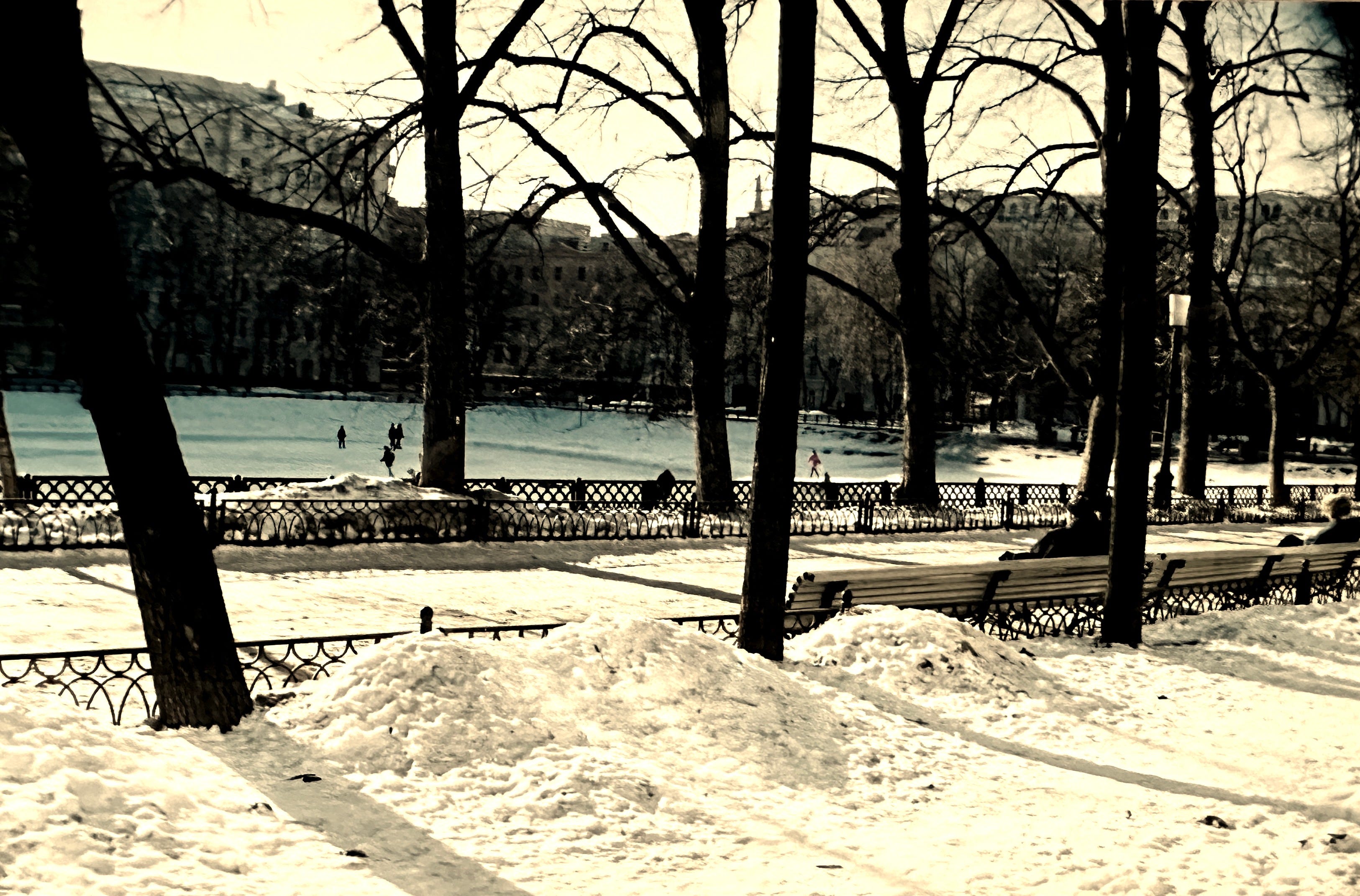
I arrived in Moscow, on Patriarch’s Pond. Where the devil appears in The Master and Margarita. Bulgakov lived nearby. So did I, for three years. It was just after the 1992 coup. A strange time. The city was both empty and saturated. In the same department store, Zenit, you could find a saucepan, a Horizon panoramic camera, matryoshkas, rubber boots, and a Dnepr sidecar. All in the same room. A kilo of tomatoes could cost up to 16 dollars. In foreign supermarkets, mineral waters from all over the world stood side by side. People played cards and picnicked in the snow, in parks, around the pond. Some children still sledged down the slopes on old transistor radios. The whole city was heated by a central system. Apartments were so overheated that even in winter, a tiny window called the fortochka stayed slightly open day and night. On weekends, we went to the dacha. Shashliks were prepared on an open fire, deep in the birch trees, sometimes at -27°C.
A hairdresser and a doctor earned the same salary. A housekeeper could be a former trapeze artist who knew European literature better than most academics did. Everyone seemed to know what was in museums across Europe and the US. And believed Russian culture was superior. People could be abrupt in the streets. But inside homes, everything changed. Caviar. Vodka. Balalaikas. Toasts, songs, endless conversations, going over the past, the present, the future. Complaining about everything. Loving Russia in the same breath.
There were also those who had been exiled to kilometer 101. An invisible circle around Moscow, forbidden to those who had fallen. Better than the gulags. Some came back. I heard their stories, directly. The Bolshoi Theatre was part of everyday life. People went as if it were a cinema. Everything coexisted. Misery and opulence. Restraint and excess. The mafia. Vodka cheaper than water. Meals that never seemed to end.
I did what I always do. I looked. Then I walked into the museums. Then the bookshops. Then the studios. I started buying books. Anything related to Russian painting. Obsessively. I had to know it all.
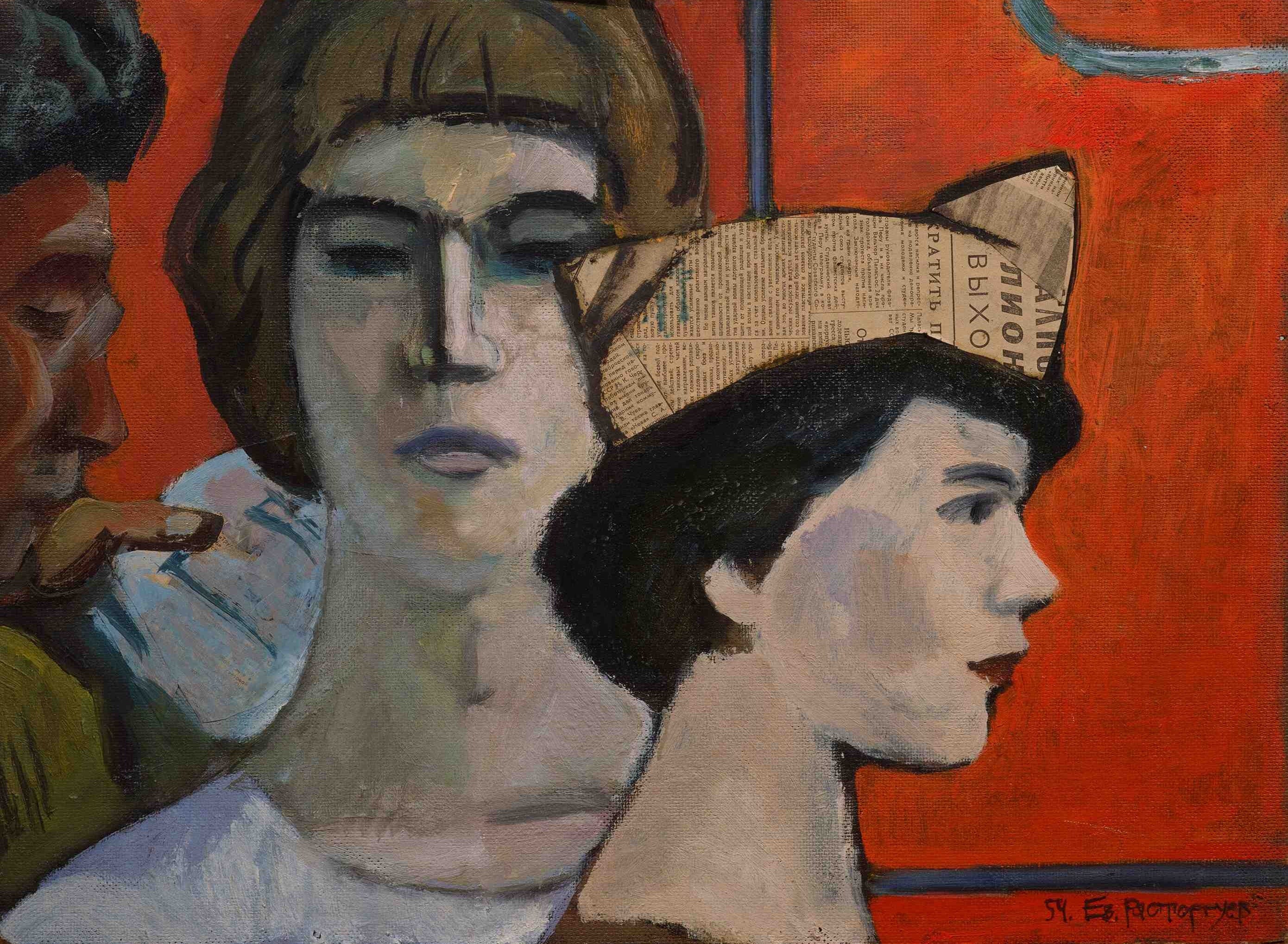
Then came Maslovka. Two buildings, number one and three, entirely dedicated to artists. Studio after studio, floor after floor. A closed world, self-contained. I spent hours there. Days, even. Meeting artists, one after the other. I learned Russian. I couldn’t bear not understanding. From that time, I kept a collection of works. Paintings no one seemed to look at. The older Soviet painters were the first I sought out. I was afraid they would disappear, and with them, an entire part of history. Existences no one seemed to pay attention to. Their individual lives had never really counted. Absorbed into the collective. And that was exactly what I wanted to hear. What they thought. How they had lived through the Soviet Union, through perestroika, through the present. How they imagined what would come next. Their daily lives. Their families. Their travels, if there had been any.
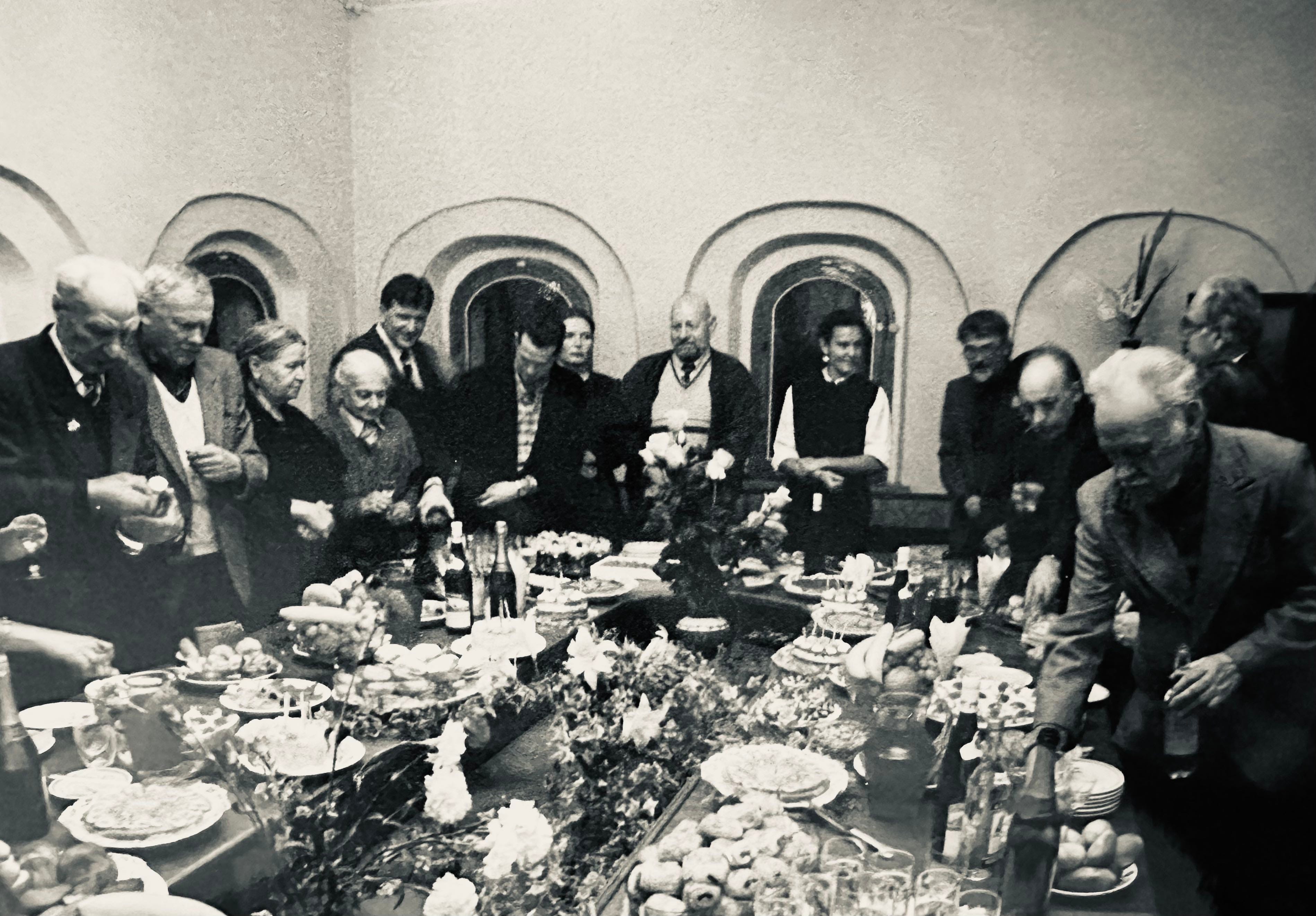
I spent three years among them. My 30th birthday was celebrated at the Academy of Literature. A surprise. A Georgian singer. A private concert. And all around me, my painter friends. They must have been seventy-five, on average. I was the youngest in the room.
Today, the boxes are open. Documents. Paintings. Photographs. Three years of my life, right there in front of me. I go through them, and everything returns. The voices. The smells. The gestures. Something dense, alive, filling the room.
Russia, intact. I smile. It’s not over.
Beyond imagination
We're really looking forward to seeing you in Moscow! We'll spend a wonderful time strolling around Patriarch's Ponds, and we'll go to the Maslovka Museum. This is such a valuable experience! Come back to these places and these walls that have been keeping your past from the Moscow era and your happy 30th birthday!